

How AI Search Is Changing the Way Businesses Need to Approach SEO

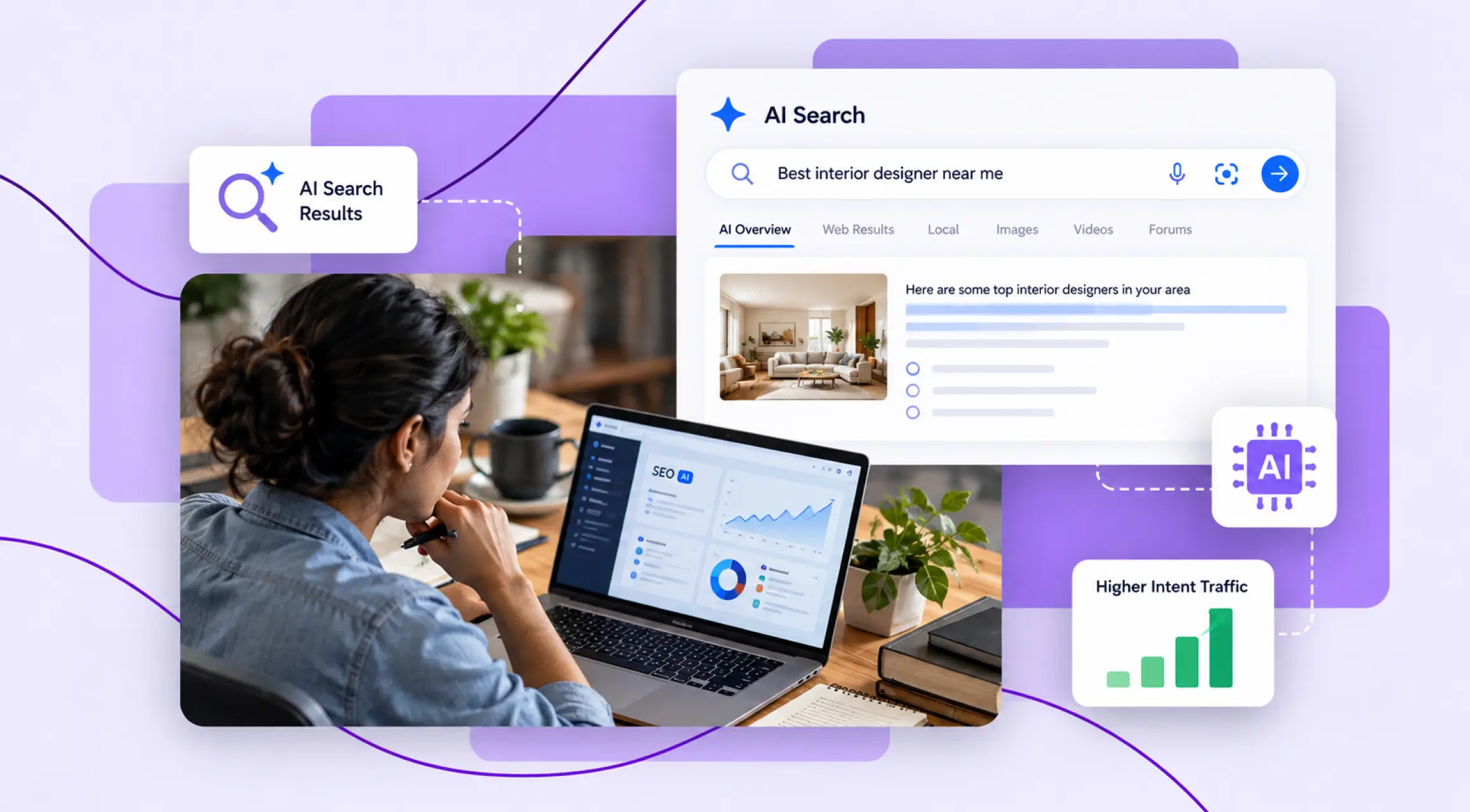
Imagine a potential customer asking an AI tool, “Which digital marketing agency can help my business generate more leads?” Instead of browsing dozens of websites immediately, they may receive a summarised answer, a list of relevant options, or links to sources that help them make a decision.
This shift is changing how people discover information online. Search is no longer limited to entering keywords and clicking through a list of links. AI-powered experiences are making it easier to ask detailed questions, compare options, and explore solutions more conversationally.
For businesses, this creates a new challenge: being visible is no longer just about ranking for a keyword; it is also about providing information that helps people understand, evaluate, and trust your business.
Search Is Becoming More Conversational
People often know what they want to achieve but may not know which search terms to use. AI-powered search allows them to describe their needs in everyday language and ask follow-up questions to refine their search.
For example, a business owner might begin with “How can I get more website enquiries?” and then ask about SEO, paid advertising, website improvements, or the right marketing partner.
This creates opportunities for businesses to address specific questions rather than relying exclusively on broad keywords.
To adapt, businesses should:
- Understand the problems their customers are trying to solve.
- Identify common questions asked before a purchase or enquiry.
- Create content that explains solutions in straightforward language.
- Cover relevant follow-up questions that help users make informed decisions.
Keyword research still matters, but it should be supported by an understanding of the complete customer journey.
The Focus Is Shifting From Keywords to Topics and Context
Keywords remain useful for understanding search demand and communicating page relevance. However, a content strategy built around isolated keywords may overlook the wider questions customers have about a subject.
Consider a company offering website design services. Its SEO strategy could target the primary keyword “website design services” while also addressing related topics such as:
- What should a business website include?
- How does website design influence lead generation?
- What should businesses consider before redesigning a website?
- How can mobile usability affect customer enquiries?
Together, these topics provide a more complete picture of the service and the problems it solves.
Businesses should build connected content around their core offerings, ensuring that each page contributes something useful instead of repeating information already covered elsewhere.
The goal is not to write about every possible question. It is to cover the subjects most relevant to your audience, expertise, and business objectives.
Helpful Content Matters More Than Publishing More Content
As AI tools make it easier to generate large amounts of text, simply publishing more articles is not a reliable way to improve search visibility.
Content needs to offer genuine value. An article that repeats common advice without adding useful detail may give readers little reason to trust the source or explore the business further.
A stronger content approach includes:
- Original insights: Share practical observations, relevant experience, or examples that make the information more useful.
- Clear explanations: Explain complicated topics in accessible language without oversimplifying important details.
- Specific answers: Address the question directly before expanding on related information.
- Reliable information: Verify factual claims and update outdated details.
- Useful next steps: Help readers understand what they can do with the information they have learned.
AI-generated content can be part of a content workflow, but it should be reviewed for accuracy, originality, relevance, and usefulness. Content should be created to serve people, not simply to increase the number of indexed pages.
Your Website Needs to Communicate Your Expertise Clearly
A website is more than a destination for search traffic. It is where potential customers assess whether a business understands their needs and can deliver the required solution.
If your website contains vague service descriptions, generic claims, or incomplete information, visitors may struggle to understand what differentiates your business.
For a stronger website, make sure it clearly communicates:
- What your business does and whom it serves.
- Which services or solutions you provide.
- How your process works.
- What experience or relevant expertise you can demonstrate.
- How visitors can contact you or take the next step.
For example, instead of stating that your company offers “complete digital solutions,” explain whether you provide technical SEO, local SEO, paid advertising, website development, or conversion optimisation.
Specific information helps potential customers evaluate your offering and makes the website more informative for search systems.
Brand Credibility Extends Beyond Your Website
People rarely make every decision based on a single webpage. They may discover a business through search, review its social media presence, read customer feedback, explore case studies, and compare its services with competitors.
These interactions shape how they perceive the brand.
Businesses should therefore maintain accurate and consistent information across their website and relevant online profiles. Genuine customer reviews, verifiable case studies, clear service descriptions, and relevant professional credentials can help potential customers assess credibility.
For instance, a company claiming expertise in e-commerce marketing can strengthen its message by explaining its approach, demonstrating relevant experience, and sharing substantiated project outcomes.
There is no guarantee that these signals will result in an AI-generated recommendation. However, they can help users make more informed decisions and contribute to a stronger overall digital presence.
Technical SEO Remains the Foundation
Even the most useful content needs a technically sound website. Search engines must be able to access and understand important pages, while visitors need a smooth experience when navigating the site.
Businesses should continue to prioritise:
- Crawlability and indexing: Make important pages accessible to search engines.
- Page speed: Reduce unnecessary loading delays.
- Mobile usability: Ensure content and navigation work well on smaller screens.
- Internal linking: Connect related service pages, blogs, and resources.
- Structured data: Use relevant schema markup to describe supported information accurately.
- Content accessibility: Present information in a clear structure that works for users and search systems.
It is also important to understand the difference between general website accessibility and access for automated crawlers. Businesses should review relevant technical requirements and platform documentation rather than assuming that one setting controls visibility everywhere.
Good technical SEO supports discoverability, but it does not guarantee rankings, citations, or recommendations across every AI-powered search experience.
Search Visibility Is No Longer Measured by Clicks Alone
AI-generated answers can provide users with information before they visit a website. As a result, the relationship between search visibility and website traffic may differ depending on the query.
Some informational searches may generate fewer clicks because users receive sufficient answers directly in the search experience. Other searches, particularly those involving services, comparisons, or purchases, may still encourage users to visit websites for more details.
This makes it important to evaluate several performance indicators together:
Google Search Console and Google Analytics 4 can provide useful insights into search performance and website behaviour. However, direct AI citations, brand mentions, and referral attribution are not consistently measurable across all platforms.
Businesses should avoid treating any single metric as a complete measure of SEO success.
SEO, Paid Advertising, and Social Media Need to Work Together
AI search is changing discovery, but customers continue to interact with brands through multiple channels. Organic search, paid campaigns, social media, email, and direct website visits can all contribute to the customer journey.
For example, a business might discover a marketing agency through a Google search, encounter its educational content on social media, and later visit its service page before enquiring.
A connected digital strategy helps businesses maintain consistent messaging throughout these interactions.
SEO can support long-term organic discovery. Performance marketing services can help businesses reach targeted audiences and measure campaign outcomes. Social media marketing services can support awareness, engagement, and remarketing, while a well-designed website helps visitors understand the offering and take action.
These channels serve different purposes, but their insights can inform one another. Search queries may reveal customer concerns, paid campaign data may identify effective messages, and website analytics may highlight barriers to conversion.
The objective is to create a more coherent customer experience rather than treating every channel as a separate activity.
What Businesses Should Do Next
Preparing for AI search does not require abandoning established marketing practices or chasing every new platform. Businesses can start by reviewing their current digital presence and identifying practical improvements.
A useful starting point is to:
- Audit your website for outdated content, technical issues, and unclear service information.
- Review customer questions, search queries, and common sales objections.
- Improve existing pages before creating large amounts of new content.
- Develop useful supporting articles around your core services.
- Keep business information accurate across relevant online platforms.
- Strengthen internal linking and mobile usability.
- Monitor search visibility alongside qualified enquiries and conversions.
- Review changes in search behaviour regularly and adjust your strategy using available evidence.
Most importantly, avoid relying on promises of guaranteed AI rankings or instant visibility. AI search systems differ in how they select and present information, and their behaviour can change over time.
A sustainable strategy focuses on making your business easier to discover, understand, and evaluate, regardless of how the search experience evolves.
Why TYT Studio Is the Best Digital Marketing Agency for Adapting to AI Search
TYT Studio helps businesses strengthen their digital presence through an integrated approach to search engine optimization, content strategy, website design, social media marketing, and performance marketing. Rather than focusing only on keyword rankings, we look at how customers discover a business, what information they need to make decisions, and how effectively the website turns relevant visits into enquiries.
From improving SEO foundations and developing useful content to aligning branding and campaign performance, TYT Studio helps businesses build a more connected, data-driven digital strategy that can adapt to changing search behaviour and support long-term growth.
Frequently Asked Questions
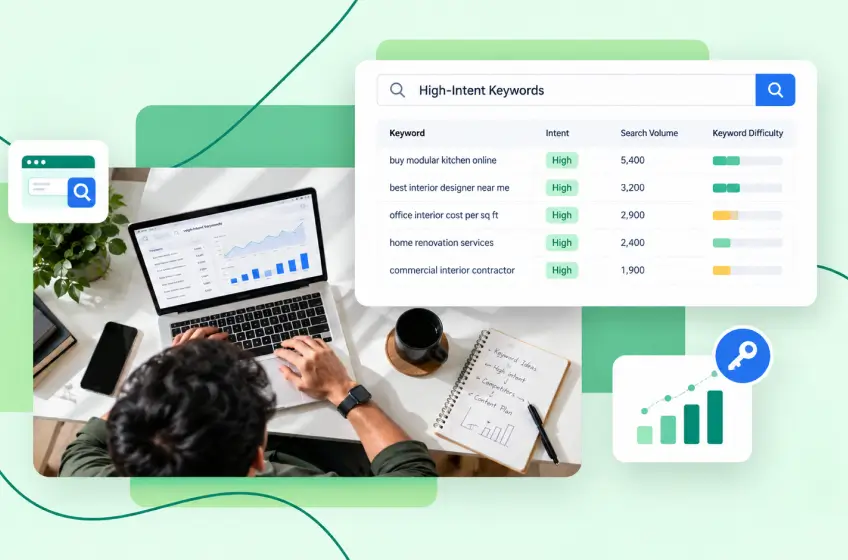
Every business wants more website traffic, but traffic alone does not guarantee enquiries, sales, or business growth. A website may attract hundreds of visitors through search engines, yet...

Imagine gaining 2,000 new followers in a month. Your posts get likes, your reels get views, but your enquiries and sales remain the same. Is your marketing really working? Digital marketing is...
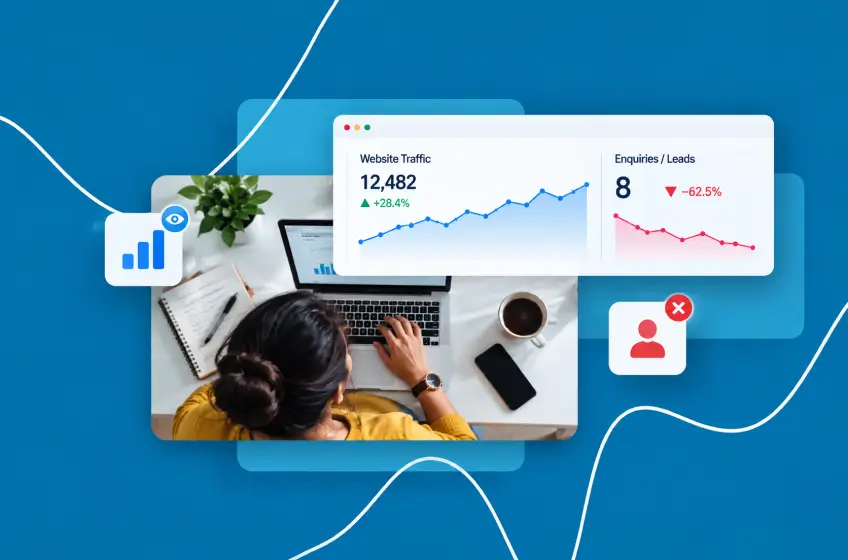
Getting traffic to your website is a positive sign, but what happens when hundreds of people visit, and very few contact your business? The problem may not be a lack of traffic. It could be your...
Just one more step to make your perfect choice. Book a demo today.


