

How to Identify High-Intent Keywords That Bring Potential Customers, Not Just Visitors

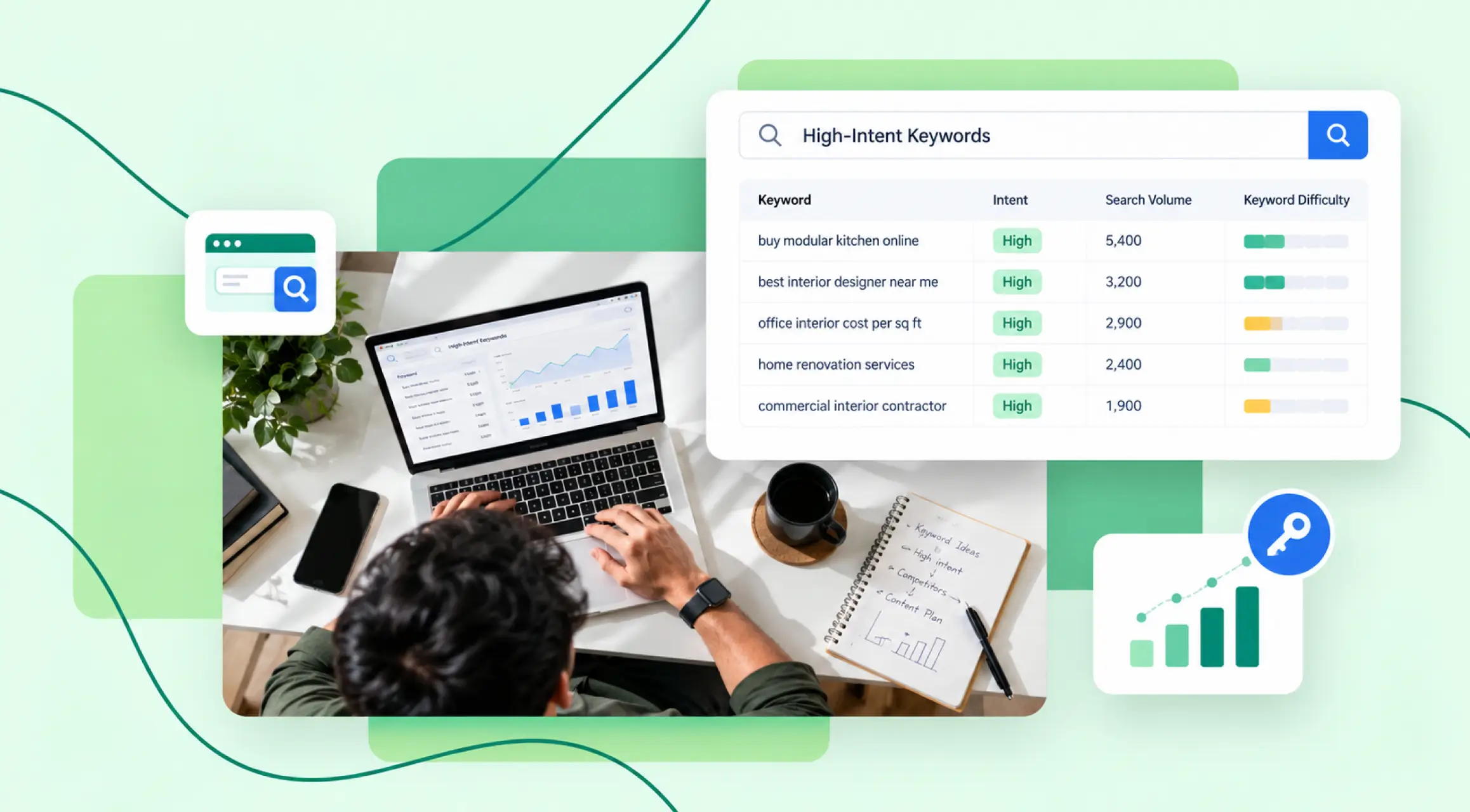
Every business wants more website traffic, but traffic alone does not guarantee enquiries, sales, or business growth. A website may attract hundreds of visitors through search engines, yet generate very few leads if those visitors are not looking for the products or services the business offers.
The difference often lies in keyword selection. While some search terms attract people who are simply exploring a topic, others indicate that users are comparing solutions, evaluating providers, or preparing to make a purchase.
This is why high-intent keyword research is an important part of an effective search engine optimization strategy. By understanding what potential customers search for and why, businesses can create relevant content, improve their search visibility, and attract visitors who are more likely to take meaningful action.
Understand the Different Types of Search Intent
Search intent refers to the purpose behind a search query. Before selecting keywords, businesses need to understand what users expect to find when they enter a particular phrase into Google.
Search intent generally falls into four categories:
- Informational intent: Users want to learn something. For example, “What is SEO?”
- Commercial investigation: Users are researching and comparing available options. For example, “Best SEO services for small businesses.”
- Transactional intent: Users are ready to take action. For example, “Hire an SEO agency.”
- Navigational intent: Users want to find a particular website or brand. For example, “TYT Studio digital marketing services.”
Each category represents a different stage of the customer journey. Someone searching for basic SEO information may not be ready to hire an agency, whereas someone looking for an SEO provider in their city may already be considering their options.
Understanding this distinction helps businesses create the right content for the right audience instead of targeting every keyword with the same approach.
Focus on Keywords That Reflect Customer Needs
A keyword becomes valuable when it connects your business to a genuine customer requirement. Broad terms may attract significant search traffic, but specific service-related phrases often provide clearer insights into what a potential customer wants.
For example, consider the difference between these searches:
- Digital marketing
- Digital marketing services for small businesses
- Digital marketing agency for real estate lead generation
The first phrase provides little information about the user's specific needs. The other two identify a service requirement and, in the final example, a particular business objective.
When researching keywords, consider the services you provide, the problems your customers face, and the solutions they are likely to search for.
Useful keyword categories include:
- Service-based keywords, such as website design services.
- Industry-specific keywords, such as SEO for e-commerce websites.
- Location-based keywords, such as a digital marketing agency in Ahmedabad.
- Problem-solving keywords, such as how to improve website conversion rates.
- Action-oriented keywords, such as hire a performance marketing agency.
The objective is to identify phrases that are relevant to your offering and reflect a clear customer need.
Use Long-Tail Keywords to Reach a More Relevant Audience
Long-tail keywords are specific search phrases that usually contain more detail than broad keywords. They can reveal information about a user's industry, location, budget considerations, or desired outcome.
For example:
- Broad keyword: Website design
- More specific keyword: Website design services for startups
- High-intent variation: Hire a website design agency for a startup website
Specific searches can help businesses connect with people looking for a particular solution. They may also face less competition than broad terms, although this depends on the industry and keyword.
Other examples include:
- Social media marketing services for restaurants
- SEO services for online stores
- Branding agency for new businesses
- Performance marketing services for e-commerce brands
- Local SEO services for businesses in Ahmedabad
However, a longer keyword is not automatically more valuable. Its potential depends on the user's intent, the relevance of your services, and whether the search can realistically lead to a business outcome.
A focused long-tail keyword strategy allows businesses to address specific needs through relevant service pages, blog articles, landing pages, and FAQs.
Research Keywords Using Reliable SEO Tools
Keyword research should be based on data rather than assumptions. SEO tools can help businesses understand search demand, identify related queries, evaluate competition, and discover opportunities to improve their online visibility.
Some useful tools include:
- Google Keyword Planner: Helps discover keyword ideas and provides estimated search volumes and advertising competition data.
- Google Search Console: Shows the search queries generating impressions and clicks for your website. It can help identify relevant keywords for which your pages already appear in search results.
- Google Analytics 4: Helps analyse website behaviour and measure configured conversions, such as form submissions or other meaningful actions.
- SEO research platforms: Tools such as Semrush and Ahrefs can help analyse keyword difficulty, competitor rankings, related searches, and content gaps.
When reviewing keyword opportunities, consider several factors together:
- Search intent and relevance to your services.
- Estimated search volume.
- Competition and ranking difficulty.
- Commercial value and cost-per-click data, where available.
- Existing rankings and the quality of competing pages.
- Potential to generate enquiries or sales.
A keyword with moderate search demand and strong commercial relevance may be more useful than a high-volume phrase that attracts the wrong audience.
Analyse Competitor Keywords to Find Missed Opportunities
Competitor analysis can reveal how other businesses attract potential customers through search engines. By reviewing their service pages, blog topics, and keyword rankings, you can identify relevant search terms that your website may not be targeting.
Start by examining businesses that offer similar services or serve the same audience. Look for the keywords associated with their main service pages, the questions addressed in their blogs, and the industries they target.
Pay particular attention to:
- Service keywords missing from your website.
- Customer questions that your content does not answer.
- Industry-specific searches relevant to your business.
- Location-based opportunities in your actual service areas.
- Topics where competitors provide incomplete or outdated information.
Competitor research should not mean copying another website. Instead, use the findings to understand customer expectations and create content that provides clearer answers, stronger expertise, and a more useful experience.
The goal is to identify gaps where your business can offer something relevant and differentiated.
Match Each Keyword With the Right Website Page
Selecting a high-intent keyword is only the beginning. The page a user visits must satisfy the expectation created by that search.
For example, someone searching for “website design services for startups” should ideally reach a dedicated service page explaining your process, deliverables, expertise, and how to get started. Sending that visitor to a general blog about digital marketing may create an unnecessary barrier to conversion.
A well-structured website typically uses different pages for different search needs:
- Service pages: Target relevant commercial searches and explain your offerings.
- Blog articles: Answer informational queries and educate potential customers.
- Landing pages: Support specific campaigns, audiences, or conversion objectives.
- Location pages: Address genuine local service requirements with useful, location-specific information.
- Case studies: Demonstrate relevant experience and explain actual project outcomes.
Avoid creating multiple pages that target the same intent without a clear purpose. A focused website structure helps search engines understand your content and makes it easier for visitors to find relevant information.
Optimise Your Content for Both Search Engines and Customers
A page may rank for a valuable keyword and still fail to generate enquiries if its content does not address the visitor's needs.
Effective on-page SEO should help users quickly understand what you offer, why it matters, and what they should do next.
Focus on the following elements:
- Page titles and headings: Use the primary keyword naturally and make the page topic clear.
- Relevant content: Answer the questions users are likely to have before making a decision.
- Internal links: Connect related blogs, service pages, and case studies to help visitors explore relevant information.
- Clear calls to action: Use appropriate prompts such as “Request a Quote,” “Book a Consultation,” or “Discuss Your Project.”
- Trust signals: Include genuine testimonials, relevant case studies, transparent service information, and verifiable credentials where appropriate.
- Mobile experience and page speed: Ensure that the website is easy to navigate and performs well across devices.
Keyword placement matters, but content should never feel repetitive or forced. Search engines and users both benefit from clear, useful information that naturally addresses the topic.
Combine Organic SEO With Paid Search Insights
Search engine optimization can build long-term organic visibility, while paid search campaigns can provide another way to reach people actively looking for relevant services.
Google Ads allows businesses to test commercial search queries and evaluate their performance against campaign objectives. Search-term reports can reveal the actual queries that trigger ads, helping marketers identify relevant opportunities and exclude irrelevant searches.
For example, a business offering e-commerce SEO services might test keywords related to hiring an SEO agency, improving product-page rankings, or increasing organic traffic for an online store.
The resulting data can help evaluate which searches attract relevant enquiries, provided conversion tracking and lead-quality measurement are configured correctly.
Social media marketing services can complement this approach by building awareness, nurturing interest, and reconnecting with eligible audiences who have previously interacted with the brand.
However, paid advertising and organic SEO have different cost structures and timelines. Neither guarantees conversions, and campaign results depend on factors such as competition, targeting, budget, landing-page relevance, and the quality of the offer.
Measure Qualified Leads Instead of Traffic Alone
The true value of high-intent keyword research becomes clearer when businesses measure what happens after a visitor reaches their website.
Rankings, impressions, clicks, and organic traffic help assess search visibility. However, these metrics should be evaluated alongside meaningful business outcomes.
Important metrics include:
- Organic clicks and keyword rankings.
- Landing-page engagement and user behaviour.
- Contact form submissions and phone enquiries.
- Qualified leads generated through organic search.
- Conversion rates by landing page and traffic source.
- Cost per lead and lead quality for paid campaigns.
- Sales or revenue attributable to marketing, where reliable tracking is available.
Consider two hypothetical keywords. One attracts 1,000 visitors but generates very few enquiries. Another attracts 150 visitors and produces several qualified leads. Depending on the quality and commercial value of those leads, the second keyword may contribute more to business growth.
Use Google Search Console to monitor search performance and Google Analytics 4 to measure website behaviour and configured conversions. Where possible, connect marketing data with CRM or sales records to understand which enquiries become actual customers.
Review the results regularly. If a page attracts traffic but few relevant enquiries, reassess its search intent, content, calls to action, and overall user experience before deciding whether to change the keyword strategy.
Why Is TYT Studio the Best Digital Marketing Agency for Generating Qualified Leads?
At TYT Studio, we approach digital growth by connecting keyword research with business objectives rather than focusing on website traffic alone. Our team combines search engine optimization, content strategy, website design, social media marketing, and performance marketing to help businesses reach relevant audiences and build more effective customer journeys.
From identifying commercially relevant keywords to improving service pages and evaluating campaign performance, TYT Studio helps businesses make informed marketing decisions focused on search visibility, qualified enquiries, and measurable growth. If your website is attracting visitors but not enough potential customers, a more intent-focused digital marketing strategy can help you identify the gaps and work towards better results.
Frequently Asked Questions

Imagine gaining 2,000 new followers in a month. Your posts get likes, your reels get views, but your enquiries and sales remain the same. Is your marketing really working? Digital marketing is...

Getting traffic to your website is a positive sign, but what happens when hundreds of people visit, and very few contact your business? The problem may not be a lack of traffic. It could be your...

Discover how e-commerce businesses in India can increase website traffic, improve conversions, and boost online sales with effective digital marketing strategies. Learn how TYT Studio, a 360°...
Just one more step to make your perfect choice. Book a demo today.


